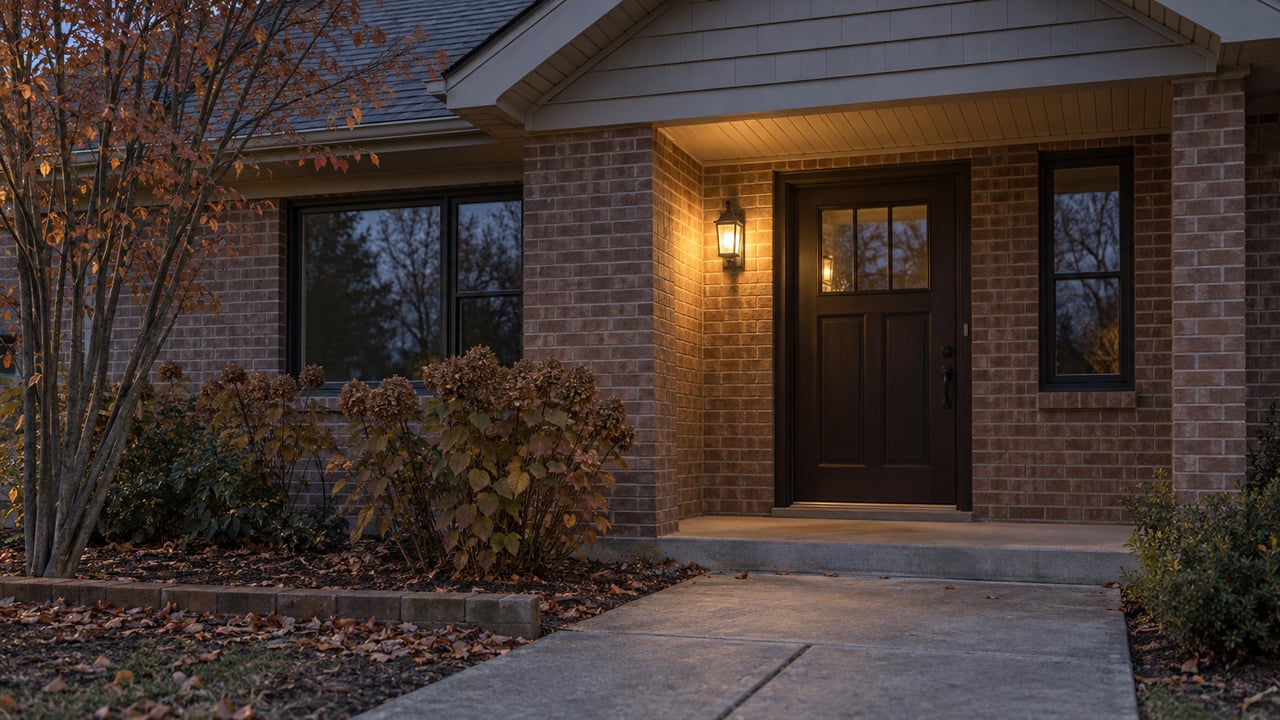
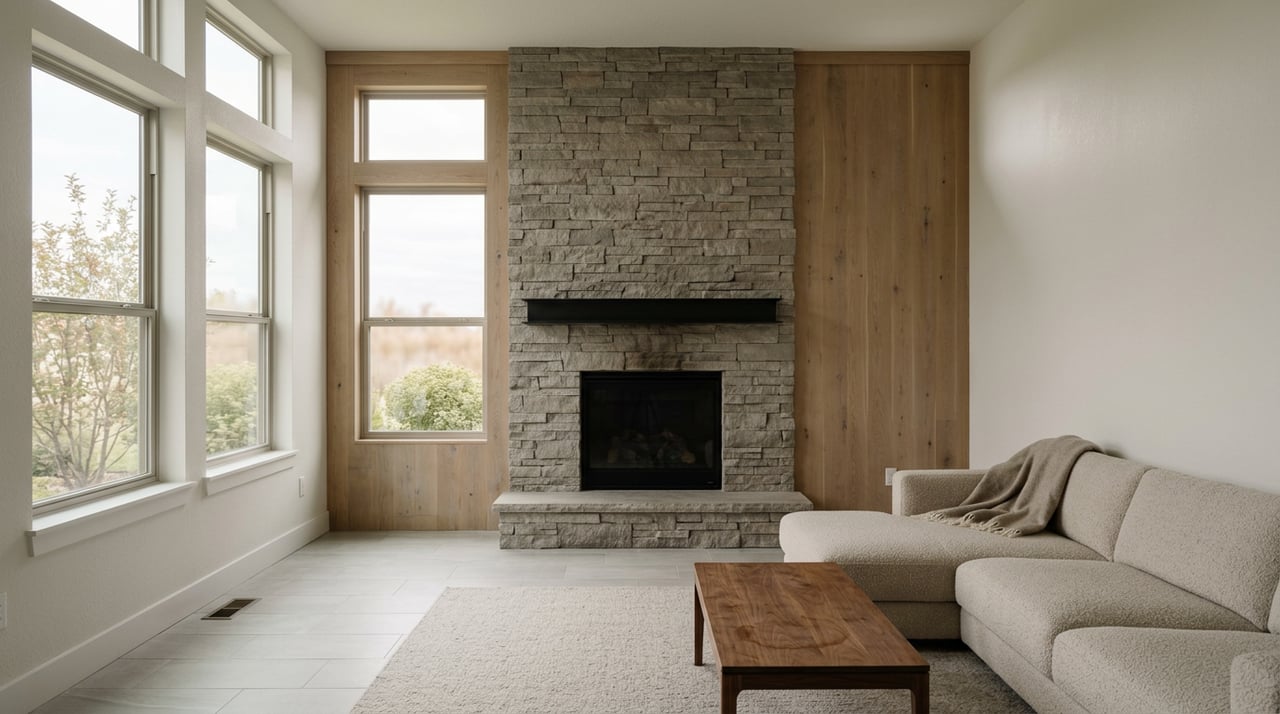
Thinking about listing your Holland home this spring but not sure where to start? You are not alone. Winter is the perfect time to tackle a few smart upgrades that buyers love and that will help your home shine in photos. In this guide, you will find the top high‑ROI projects for Holland and 43528, with costs, timelines, and a simple plan to be market ready by early spring. Let’s dive in.
Why timing matters in 43528
Holland winters are cold and often wet, which makes indoor projects easier to schedule from December through February. Exterior work is best saved for milder weather if possible. Many sellers target late winter or early spring for listing to capture higher buyer traffic. To hit that window, plan to finish upgrades at least 2 to 3 weeks before your photos and go‑live date for airing out paint, final touchups, and staging.
Contractor schedules can fill up by late winter. Order materials early and get on the calendar now to avoid delays as spring approaches.
Top high‑ROI upgrades
Interior paint: biggest impact, lowest cost
A fresh, neutral paint job makes rooms feel larger and move‑in ready. Buyers respond to clean walls and crisp trim in listing photos and in person.
- What to choose: warm neutrals and soft grays with warm undertones like greige, warm white, or soft taupe. Use eggshell or satin on walls and semi‑gloss on trim and doors for durability.
- Cost and time: DIY materials often run $200 to $800 per room. Professional painting typically ranges from $300 to $1,200 per room depending on size and prep. A standard 3‑bedroom can take 2 to 7 days including patching and two coats.
- Pro tip: Schedule painting early so odors dissipate. Proper prep with patching, sanding, and primer will prevent flaws from showing in photos.
Lighting swaps and layered light
Bright, modern lighting makes spaces feel larger and highlights your best features. LED updates also appeal to cost‑conscious buyers.
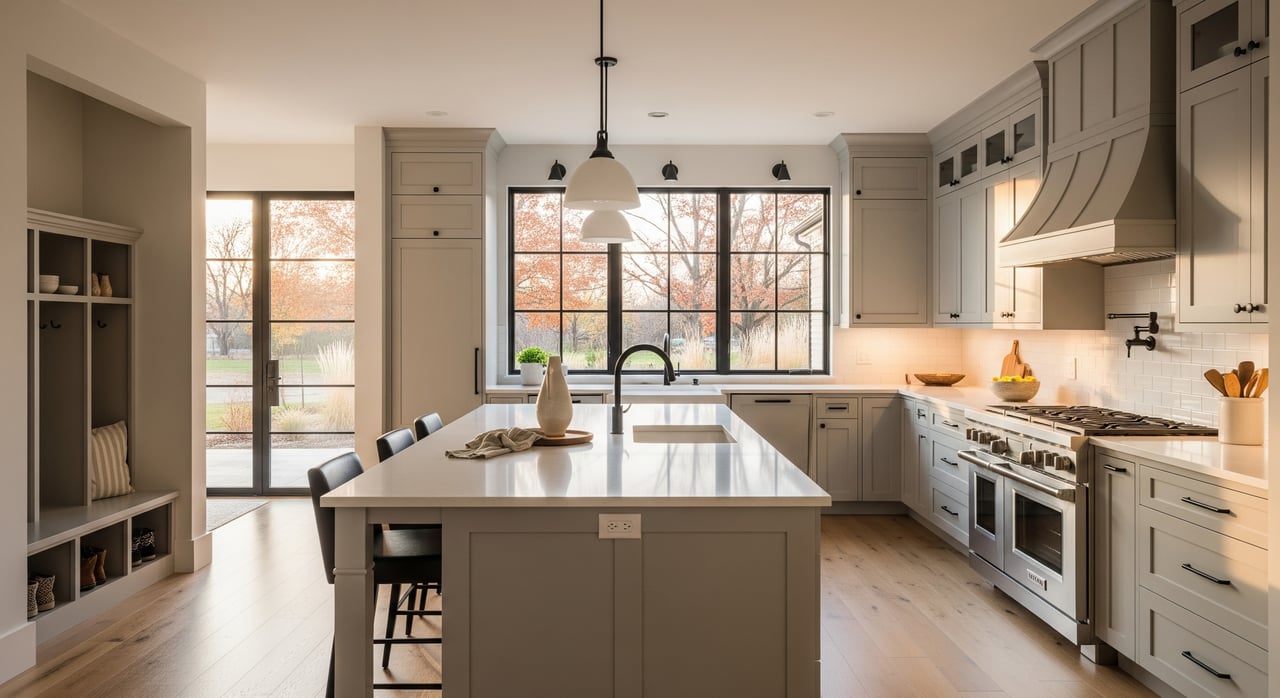
- What to do: replace outdated fixtures with clean, contemporary options in one consistent finish, like matte black, brushed nickel, or warm brass. Add dimmers and task lighting such as under‑cabinet lights in the kitchen.
- Color temperature: choose 2700K to 3000K for living spaces and 3000K to 3500K for kitchens for a warm, inviting look.
- Cost and time: fixtures typically cost $50 to $600 each. Electrician labor often runs $75 to $150 per hour. Swapping multiple fixtures can be done in 1 to 3 days, but adding new circuits or recessed cans will take longer.
- Energy tip: LEDs lower utility costs. Check your local electric provider for any current rebates before you buy.
Cabinet and hardware refresh
Kitchens and baths sell homes, and you can modernize the look without a full remodel.
- What to do: install new hardware in a consistent finish, paint or refinish cabinet doors, or consider refacing for a midrange budget. Even a simple hardware update can transform dated doors.
- Cost and time: a hardware swap can be $100 to $600 for a kitchen. Painting or refacing often falls between $1,200 and $7,000 depending on scope and contractor. Expect 1 day for hardware and 1 to 2 weeks for painting or refacing including curing time.
- ROI tip: if budget is tight, combine hardware and a quality paint job for a high‑impact update per dollar.
Flooring refresh with LVP or engineered wood
Consistent, modern flooring helps rooms flow and is a big buyer draw. Replacing worn carpet in main areas can be a difference maker.
- What to choose: luxury vinyl plank is water resistant, durable, and budget friendly. Engineered hardwood provides a premium look and is more stable than solid wood in variable conditions.
- Cost and time: LVP materials typically cost $2 to $6 per square foot, with installed costs around $4 to $8 or more per square foot. Engineered hardwood installed often ranges from $6 to $12 or more per square foot. Most single‑level installs take 2 to 7 days depending on prep.
- Winter installation: keep interior temperatures stable and allow materials to acclimate. LVP often needs 24 to 48 hours, and engineered hardwood often needs about 72 hours or more depending on manufacturer guidance.
- Staging tip: choose a consistent tone through main spaces, then use rugs to define areas.
Minor bath and kitchen facelifts
You can create a fresh, modern feel with cosmetic updates that stay within budget.
- What to do: replace faucets and showerheads with modern, water‑efficient models. Regrout or reglaze tile where needed and replace caulk. Update vanity hardware, mirrors, and lighting. Add a simple backsplash or use a countertop resurfacing kit in small spaces if appropriate.
- Cost and time: bathroom refresh projects often range from $500 to $5,000. Minor kitchen updates like backsplash, paint, and hardware often run $1,000 to $6,000. Plan for 1 to 3 weeks depending on contractor schedules and cure times.
- Permit note: cosmetic work usually does not require permits, but changes to plumbing rough‑ins or electrical may. Use licensed pros for those trades.
Your 8 to 10 week winter plan
- Weeks 1 to 2: choose your target listing week. Get 3 written bids for painting, flooring, and electrical. Order long‑lead items like lighting, backsplash tile, or countertops.
- Weeks 2 to 4: begin interior painting across main rooms. Install delivered light fixtures and new cabinet hardware.
- Weeks 4 to 6: install flooring after painting to avoid scuffs. Complete bathroom and kitchen facelifts such as faucets, vanity swaps, backsplash, and grout.
- Weeks 6 to 8: complete touchups, deep clean, declutter, and stage. Maintain stable temperature for any curing materials.
- Final 2 to 3 weeks before listing: schedule professional photography and complete any last‑minute fixes. Aim for bright winter or early spring afternoons for best natural light.
Budget, permits, and scheduling
Build a 10 to 20 percent cushion into your budget and timeline for surprises like subfloor repairs or hidden water damage. Order fixtures and any custom items early, since holiday periods and winter weather can delay deliveries.
Most cosmetic work like painting, hardware swaps, and like‑for‑like lighting replacements do not need permits. Structural changes, electrical alterations, new circuits, and plumbing modifications may require permits. Verify requirements with your local municipal building department or Lucas County offices. Always hire licensed pros for electrical and plumbing work.
For flooring, follow manufacturer instructions for acclimation and indoor temperature. Adhesives and finishes can cure more slowly in cold or dry conditions, so allow extra time when needed.
Staging and photos that sell
Focus on a neutral palette, updated lighting, and clear sight lines. Keep countertops and floors uncluttered to show clean, functional space. Finish the heavy work 2 to 3 weeks before photos to allow for deep cleaning and styling. Document your upgrades and keep receipts to share with buyers, which helps show care and value.
Ready to sell in Holland?
If you want a fast, worry‑free sale this spring, you do not have to manage it alone. With hands‑on staging guidance, professional photography, and proactive showings, you can hit the market with confidence and a clean timeline. For a plan tailored to your home and your target date, reach out to Denise Reinhart.
FAQs
What paint colors work best for Holland buyers?
- Warm neutrals like greige, warm white, and soft taupe in eggshell or satin help rooms feel larger and move‑in ready.
How much should I budget for a basic winter refresh?
- Many sellers spend a few thousand dollars on paint, lighting, hardware, and selective flooring, with individual items within the ranges listed above.
Do I need permits for lighting or faucet swaps?
- Like‑for‑like fixture replacements are typically cosmetic, but new circuits or changes to electrical or plumbing rough‑ins may require permits and licensed pros.
How far in advance should I book contractors in 43528?
- Start getting bids 8 to 10 weeks before your target listing to secure dates before late‑winter schedules fill up.
Can I install new flooring in winter without issues?
- Yes, if you maintain stable indoor temperature and allow proper acclimation, which often ranges from 24 to 72 hours depending on the product.
What if I only have time for one project?
- Prioritize interior paint, since it is the highest impact for the lowest cost and sets the stage for better lighting and photography.