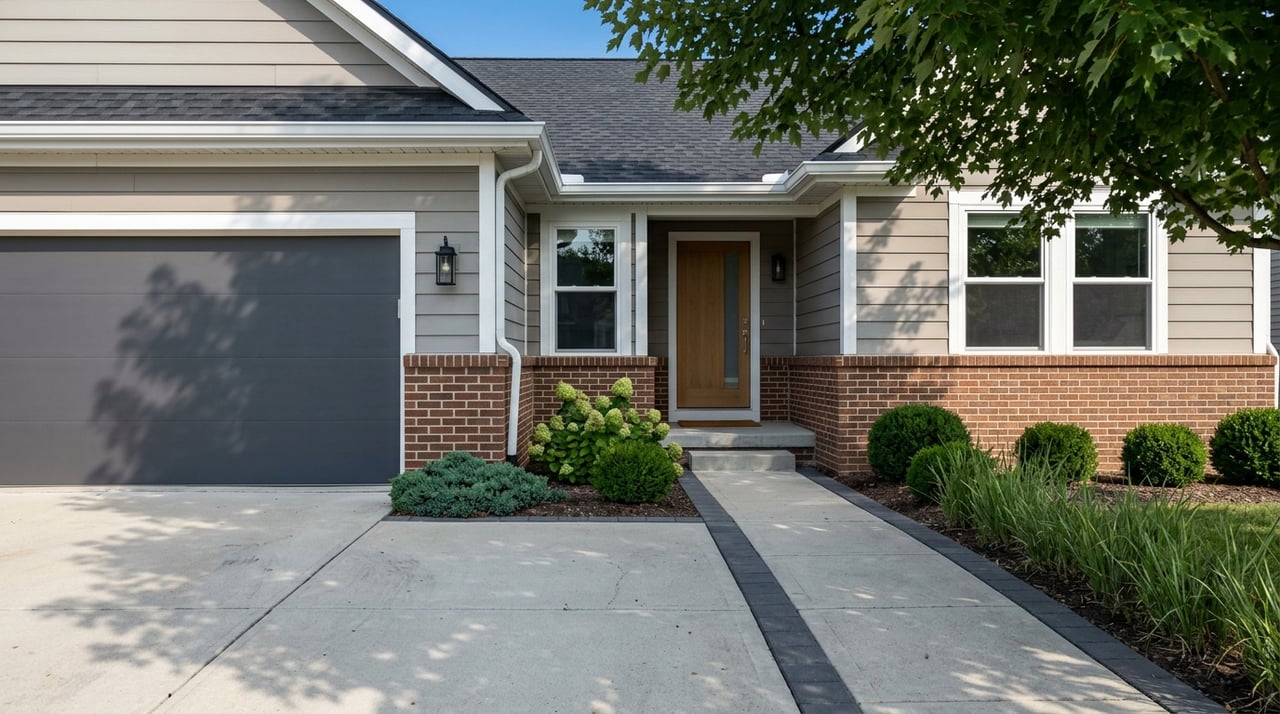
How Smart Pricing Speeds Perrysburg Home Sales
April 2, 2026
If your Perrysburg home is not getting the attention you expected, the problem may not be your house. It may be your price. In a market where buyers are still active but more selective, the right asking price can help you sell faster, attract stronger offers, and avoid stressful renegotiations later. Let’s dive in.
Perrysburg is not a market where you can simply name a high number and expect buyers to chase it. According to Realtor.com’s Perrysburg market overview, the area was considered a balanced market in February 2026, with 173 homes for sale, a median list price of $424,900, a median of 43 days on market, and a 98% sale-to-list ratio.
At the same time, local and national data both suggest that buyers are paying close attention to value. Northwest Ohio REALTORS’ NORIS-based reports for Perrysburg show that by Q4 2025, ZIP code 43551 had a median sales price of $356,000, 97.6% of original price received, 87 days on market, and 129 closed sales. Those numbers tell an important story: small pricing mistakes can affect how long your home sits and how close you get to your asking price.
Some sellers hear “price it right” and think that means leaving money on the table. In reality, smart pricing is a strategy for speed and certainty, not a strategy for underpricing. The goal is to position your home where serious buyers see value quickly and feel confident making an offer.
National seller data from the National Association of Realtors supports that approach. Recent sellers sold for 100% of list price on median, but 21% reduced the asking price at least once. That means many sellers still get strong outcomes, but homes that miss the mark early often have to adjust later.
An overpriced home often loses momentum faster than sellers expect. Buyers compare new listings closely, and if your home seems out of line with recent sales or competing listings, many will skip it before ever scheduling a showing.
A Realtor.com PRO pricing article explains that once a home sits for more than about two weeks, its sale price tends to slip relative to list price. Homes that linger for three to four weeks are also much more likely to need at least one price reduction. In simple terms, waiting can cost you leverage.
When a home sits, buyers start asking what is wrong with it, even when nothing is wrong at all. The issue may simply be price, but the longer the listing stays active, the more likely buyers are to mentally discount it.
That can create a frustrating cycle:
This is one reason day-one pricing matters so much in Perrysburg.
In a balanced market, your first price should be based on current evidence, not hope. That means looking at what buyers are actually paying now, how long similar homes are taking to sell, and how your home compares in condition, size, updates, and location within the local market.
Fannie Mae’s guidance on the sales-comparison approach is helpful here. Appraisers analyze comparable closed sales, contract sales, and current listings, and they rely on multiple comparable properties to support value. If your list price is not grounded in real comparables, it may not hold up once a buyer is under contract.
When reviewing a comparative market analysis, or CMA, these are often the most important numbers to watch:
A good pricing conversation should connect these facts to your home’s specific strengths, not just pull a broad average.
You may notice that public market reports do not always match perfectly. For example, Realtor.com’s February 2026 Perrysburg overview shows a higher median list price than Redfin’s sold-home snapshot median sale price. That does not mean one source is wrong. It means they are measuring different slices of the market.
What matters most is the shared pattern. Across public reports and local MLS-based trend reports, the message is consistent: buyers in Perrysburg are willing to pay fair market value, but they are selective. Overpricing can slow a sale, while realistic pricing improves your odds of moving faster and selling near list price.
There is no perfect one-size-fits-all rule, but weak early activity is often a sign that buyers do not see value at your current price. If showings are limited, online interest is soft, and similar homes are drawing more attention, it may be time to adjust sooner rather than later.
That same Realtor.com PRO analysis notes that homes sitting beyond roughly two weeks often begin to lose pricing power. In practical terms, if your launch window passes without meaningful activity, a prompt, data-backed adjustment can be more effective than waiting and hoping.
Watch for patterns like these:
Early feedback matters because your first days on market are usually when buyer attention is strongest.
A strong offer is exciting, but the contract price still has to make sense if the buyer is financing the purchase. The Consumer Financial Protection Bureau explains that an appraisal is a professional opinion of value. If the appraisal comes in below the contract price, the buyer may try to renegotiate or even cancel depending on the contract terms.
That matters in Perrysburg because an aggressive list price can create problems later if the comparable sales do not support it. Fannie Mae also notes that low appraisals can trigger delays and renegotiation because appraisers look closely at closed sales, contract sales, and listings when determining value.
If that happens, a few outcomes are possible:
This is another reason smart pricing helps. It can reduce the odds of getting tied up in a deal that does not close smoothly.
Pricing well can improve your chances of attracting more than one offer. According to NAR quick stats, homes received an average of 2.2 offers in December 2025, and 16% sold above list price. Competitive situations still happen, but sellers need to look beyond the headline number.
The NAR consumer guide to multiple offers makes an important point: the highest price is not always the strongest offer. Financing type, contingencies, closing timeline, and earnest money can all affect the real strength of a contract.
If you are choosing between a slightly lower cash offer and a higher financed offer, ask which one offers the best mix of price and certainty. A cash offer may reduce financing and appraisal risk, while a financed offer may still be stronger if the buyer has solid terms and fewer contingencies.
A practical side-by-side review should include:
In short, the best offer is the one most likely to close on terms that work for you.
Many sellers make the same few mistakes when setting a list price. The most common is choosing an aspirational number and planning to negotiate down later. That sounds harmless, but it can reduce interest before buyers ever walk through the door.
NAR reports that sellers value help pricing competitively and selling within a defined timeframe, and that getting the price right is one of the hardest parts of selling. That is especially true for owners relying on old price expectations, a neighbor’s story, or the amount they hope to net from the sale.
Instead of starting with what you want and working backward, start with what the market is likely to support now. Then consider how your home’s condition, updates, and presentation may justify a stronger position within that range.
That is where hands-on preparation matters. Staging guidance, professional photography, and strong market exposure can support a well-priced launch and help your home make the right first impression.
Your listing gets its freshest attention right after it hits the market. Buyers who have been waiting for a home like yours tend to act quickly, and they are also the most informed about competing options.
If your home enters the market at a realistic, well-supported price, you are more likely to capture that early demand. If it enters too high, you risk missing the moment when interest is strongest and negotiating power is highest.
In Perrysburg, smart pricing helps you protect both time and leverage. The data points to the same conclusion from several angles: homes priced in line with current market conditions are better positioned to attract serious buyers, earn credible offers, and avoid avoidable appraisal trouble.
If you are thinking about selling, the best move is not guessing high. It is building a pricing strategy around current local comparables, market time, and a strong launch plan. For a practical, worry-free selling strategy in Perrysburg, connect with Denise Reinhart.
Stay up to date on the latest real estate trends.


Professional guidance, clear communication, and a streamlined process, built around your goals.